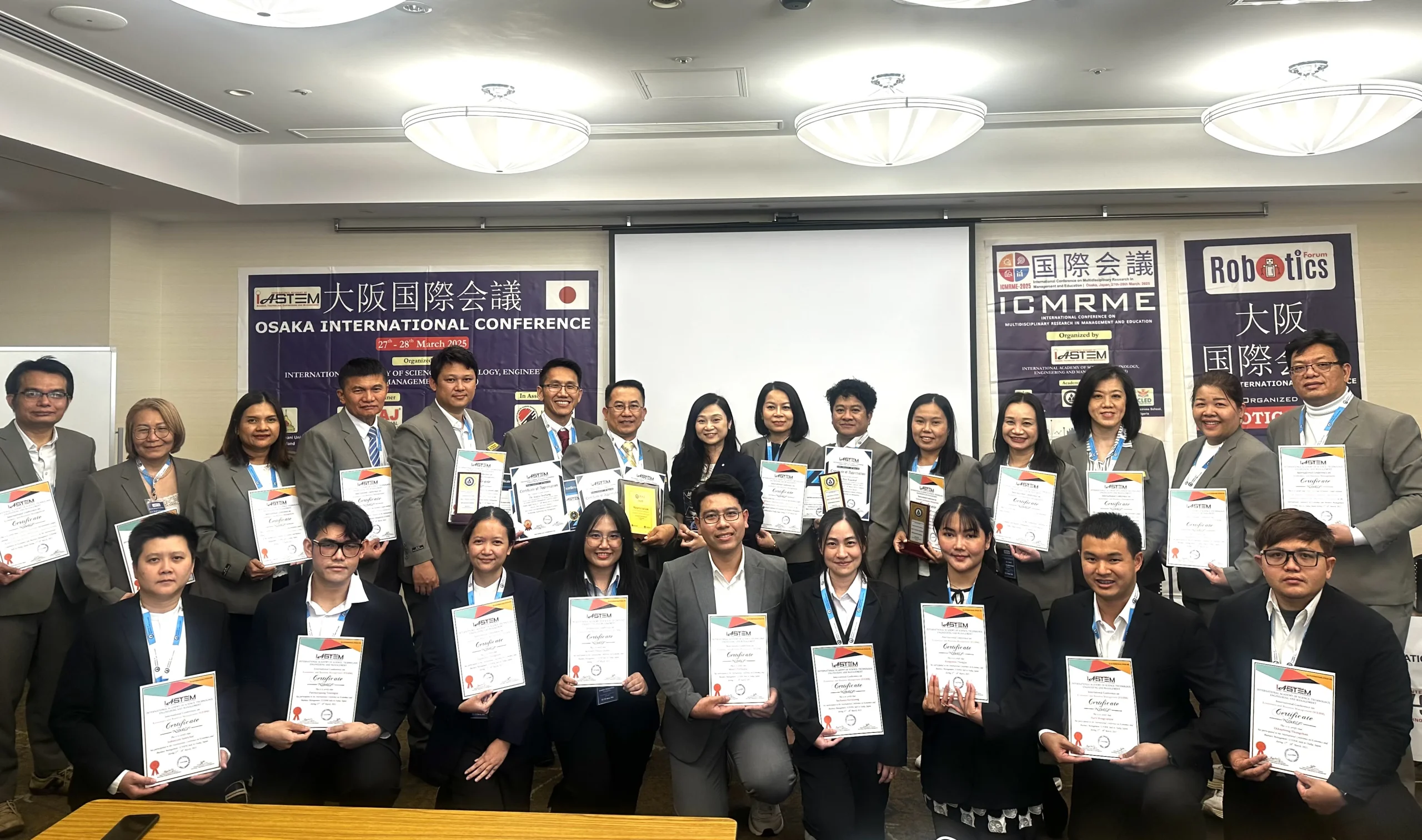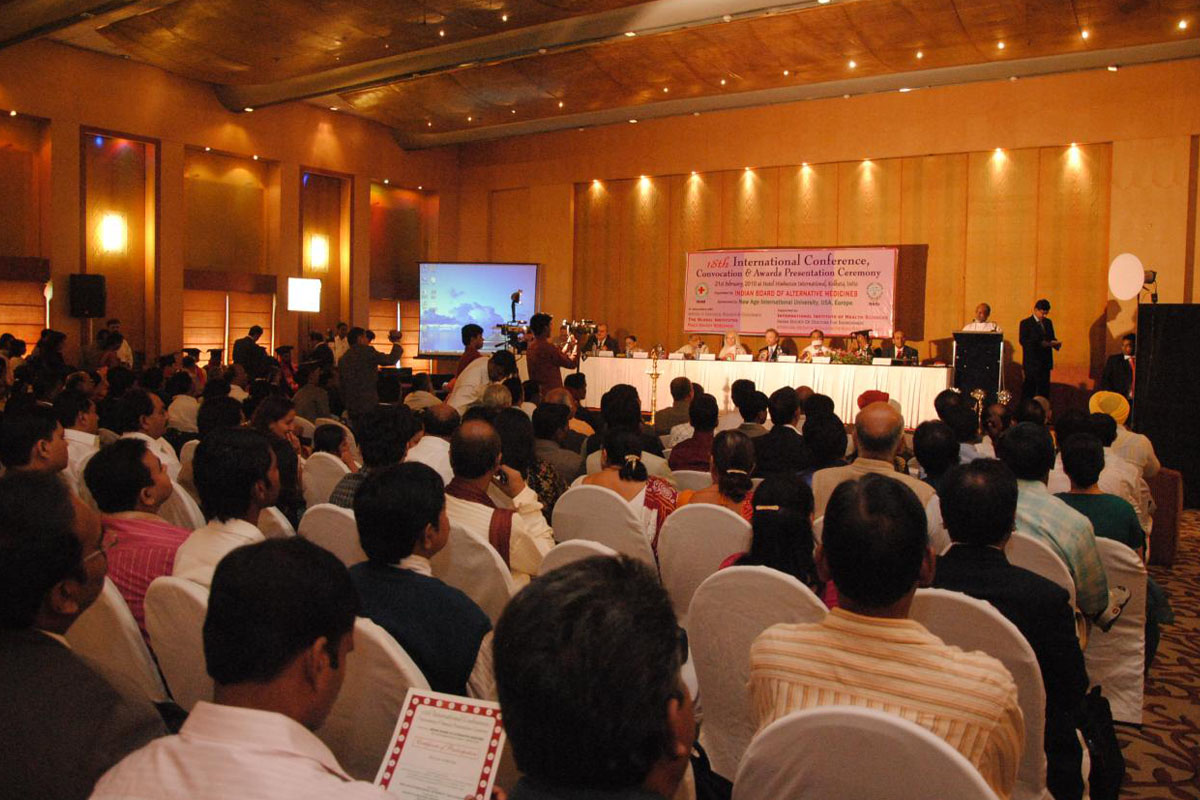

Italy is set to become a global hub for research, innovation, and academic exchange in 2026, offering a vibrant lineup of high-impact international conferences across all major disciplines. From the historic streets of Rome and Florence to the modern research centers of Milan and Bologna, Italy combines world-class knowledge platforms with unmatched cultural richness. Conferences in Italy 2026 are more than just events—they are gateways to ideas, international collaborations, and career-defining opportunities.
Scholar looking to present your first paper, a seasoned researcher seeking global exposure, or a professional aiming to stay ahead in your field, upcoming conferences promise invaluable insights, networking, and growth. Top conferences in Italy 2026 that every researcher should add to their academic calendar!
Why attend conferences in Italy in 2026?
- High-impact flagship events are scheduled in Italy — 2026 hosts several major international conferences in Italy that attract leading researchers, program committees, and publishers. For example, Eurocrypt 2026 (the IACR cryptography conference) is set for Rome (10–14 May 2026), bringing top theoretical and applied cryptography research to Italy.
- Strong representation across STEM, social sciences and design — Italy’s universities and research centers are organizing and hosting recurrent international meetings on topics from pervasive computing to sustainable development and design studies; these gatherings combine excellent local scholarship with international participation. Notable examples for 2026 include IEEE PerCom in Pisa and major sustainability and design conferences in Rome.
- Hybrid and inclusive formats — Many 2026 conferences continue to offer hybrid participation options, increasing access while preserving the value of in-person networking (panels, poster sessions, workshops). Commentators in the science press continue to emphasize how hybrid models extend participation while maintaining core benefits of live meetings.
- Strategic timing for collaboration and visibility — Attending conferences mid-year places you on the calendar for grant cycles, collaborative planning, and journal special issues; meeting potential co-authors face-to-face often speeds up research workflows and leads to follow-on projects.
Benefits of Attending Conferences — Evidence-Based!
Academic conferences are far more than a chance to travel. Commentary from across the research ecosystem highlight measurable and qualitative benefits:
- Networking and collaboration: Conferences create social spaces where researchers meet peers, form collaborations, and initiate projects that later translate into publications and grants. Studies show that conference participation is associated with increased cross-institutional collaboration.
- Feedback and quality control: Presenting early results yields critical feedback from external experts — a form of peer review that can substantially strengthen a project before submission to a journal or funder.
- Learning and horizon scanning: Keynotes, panels and workshops give rapid exposure to new methods, tools, and debates that often aren’t yet published. Nature and other outlets stress the continued importance of conferences for building networks and spotting emergent trends.
- Career development and visibility: For early career researchers, conferences offer opportunities to build a reputation, practice communication skills, and meet potential mentors or hiring committees.
What Makes Italy a Special Conference Destination?
Beyond the research program, Italy adds distinctive advantages:
- Academic infrastructure and host institutions: Renowned universities (Sapienza University of Rome, Scuola Normale and the University of Pisa, University of Naples, etc.) and national research councils host major events, giving attendees access to excellent facilities and local expert networks.
- Interdisciplinarity and regional hubs: Cities such as Rome, Pisa, Milan and Naples each have strengths—Rome’s humanities and design communities, Pisa’s engineering and CS clusters, Naples’ mobility and transport research—making it easy to combine multiple related conferences or site visits.
- Cultural and restorative value: Italy’s historic venues, museums and cuisine create informal spaces for conversation — the coffee break and aperitivo really do matter when sparking collaborations.
Top Conferences in Italy 2026 !
Selected high-value conferences confirmed for Italy in 2026 — each entry includes why it matters and practical takeaways for attendees.
1. Eurocrypt 2026 — Rome (10–14 May 2026)
Eurocrypt is one of the top theoretical and applied cryptography conferences worldwide. Papers accepted at Eurocrypt are highly visible and frequently set the agenda for secure systems research. If your work touches cryptographic primitives, protocols, or privacy, this is a must-attend.
2. IEEE PerCom 2026 — Pisa (16–20 March 2026)
PerCom is a premier venue for pervasive and mobile computing research. The 2026 edition in Pisa gathers academics and industry researchers working on sensing, context-awareness, edge computing, and related systems. Hosting at the National Research Council area brings strong local research ties.
3. IEEE ITSC 2026 — Naples (15–18 September 2026)
ITSC is a major interdisciplinary conference for transportation technology, autonomous vehicles, traffic management, and policy. The 2026 meeting in Naples will attract engineers, data scientists, and transport planners — an excellent place to forge cross-sector collaborations.
4. Design Principles & Practices — Sapienza University of Rome (25–27 February 2026)
Twentieth International Conference on Design Principles & Practices brings designers, theorists and practitioners together to explore design across time. Hosting at Sapienza University of Rome provides fertile links between design scholarship and the city’s architectural heritage. Tip: Use the conference to connect with design practitioners in museums and cultural institutions—Rome’s cultural ecosystem is a rich resource for applied design projects.
5. International Conference on Sustainable Development (ICSD 2026) — Rome (9–10 September 2026)
ICSD gathers researchers working on sustainability across scales: urban planning, circular economy, environmental policy, and development studies. Presenting here helps position your work for policy impact and cross-disciplinary funding opportunities.
6. Other specialist and regional meetings
Italy’s conference ecosystem is broad—platforms Conference Alerts list numerous topic-specific meetings (education, renewable energy, medicine, materials science) across Milan, Florence, Venice and Bologna. Excellent for niche audiences, workshop participation, or building teaching exchanges.
How to Choose Which Conference to Attend!
- Match conference scope to your stage and goals — If you need visibility and citations, target flagship events with strong proceedings. If you seek hands-on feedback or local collaborations, specialist workshops and regional meetings may be better.
- Consider publication and indexing — Check whether accepted papers appear in reputable proceedings or indexed journals. Matters for tenure and grant reporting.
- Budget, travel and hybrid options — Many 2026 conferences list hybrid participation; if travel funds are limited, a hybrid registration combined with selective in-person attendance (for panels or demos) can maximise impact.
- Time your attendance around project milestones — Presenting a draft at a conference before journal submission gives useful external critique.
Practical Tips for Getting the Most out of a Conference in Italy!
- Prepare your “elevator summary” — 30 seconds that state your problem, contribution, and one ask (collaboration, data, feedback). Use it during coffee breaks and social events.
- Prioritise sessions — Scan the program ahead of time and pick 2–3 must-attend talks each day to avoid cognitive overload.
- Leverage workshops and tutorials — These are where method skills and tools are taught in depth.
- Follow up promptly — Send short, personalised emails to people you meet; propose concrete next steps (e.g., 20-minute Zoom to discuss collaboration).
- Use local networks — Contact the local host organizers or university contacts for lab visits, student exchanges, or seminar invitations.
- Cultural courtesy — Italians value polite formality and punctuality for academic slots; also, evenings are a great time to build rapport—accept invitations to group dinners if schedule allows.
Funding and Travel: Short Checklist!
- Apply early for travel grants — Many societies and your home institution provide travel awards for presenters and early career researchers. Conferences themselves sometimes offer student scholarships.
- Visas and admin — Check the Italian visa requirements early, and request invitation letters from the conference organisers if you need formal documentation. (Most conference websites provide guidance and letters on request.)
- Accommodation — Book early; host cities like Rome and Pisa can be crowded during peak tourism seasons. Consider university guesthouses for lower cost options.
Attending the top conferences in Italy in 2026 is more than just a professional commitment—it is an investment in knowledge, innovation, and long-term career growth. With Italy’s thriving research culture, world-class academic institutions, and globally recognized conference venues, researchers gain access to invaluable opportunities to learn, present, collaborate, and network with leading minds from around the world. Science, engineering, medicine, technology, business, or the humanities, Italy offers the perfect environment to elevate your expertise and contribute meaningfully to global research discussions.