In today’s fast-evolving academic and research landscape, publishing your work quickly and gaining visibility is essential. Conference Proceedings provide a practical and widely accepted way for researchers to share their work without the long delays often associated with traditional journals. They allow scholars, students, and professionals to present ideas, gain recognition, and contribute to ongoing academic discussions.
Unlike journal publications that may take months or even years, conference proceedings offer a faster route to publication and exposure. Understanding how they work can help improve your research visibility, citation potential, and overall academic progress.
Below find every details from meaning and format to indexing and publication strategies—so you can confidently navigate the world of conference publishing.
What Are Conference Proceedings, Types & Features?
Conference proceedings are official records of research papers presented at academic conferences, seminars, or symposiums. They represent a collection of scholarly work shared by researchers within a specific field during an event. These papers are usually reviewed by experts and published in a structured format, either as a book, digital volume, or online database.
In academic research, conference proceedings play an important role in disseminating new ideas, early-stage findings, and innovative concepts. They allow researchers to present their work to a targeted audience and receive feedback before expanding it into a full journal publication. Because of their faster publication cycle, proceedings are often the first platform where new research becomes publicly accessible.
Types of Conference Proceedings
Conference proceedings can vary based on the type and depth of content submitted. Understanding these types helps researchers choose the right format for their work.
Abstract Proceedings
These include only short summaries of the research, usually limited to 150–300 words. Abstract proceedings are commonly used when conferences focus more on presentations rather than full publications. While they offer limited detail, they still provide visibility and recognition.
Full Paper Proceedings
Full papers are complete research articles that include introduction, methodology, results, and conclusions. These are the most common and widely accepted type of conference proceedings. Full papers often undergo peer review and may be indexed in major academic databases, increasing their impact.
Extended Papers
Extended papers are longer and more detailed versions of conference papers. They may include additional data, expanded analysis, and deeper discussions. In some cases, extended papers are later developed into journal articles. This type is ideal for researchers who want to present comprehensive findings while still benefiting from the conference platform.
Standard Format of Conference Proceedings
Understanding the standard format of conference proceedings is essential for getting your paper accepted and published. Most conferences follow a structured format to ensure consistency, readability, and academic quality. While specific guidelines may vary depending on the conference or publisher, the core structure remains largely the same.
Typical Structure of a Conference Paper
A conference paper is usually organized in a clear, logical flow that presents your research effectively. It begins with basic details, moves through the research content, and ends with conclusions and references. Following this structure helps reviewers and readers easily understand your work.
Title Page
The title page is the first impression of your research. It should include:
- A clear and concise title reflecting your study
- Author name(s)
- Institutional affiliation(s)
- Email address of the corresponding author
A well-written title improves visibility and helps readers quickly identify the relevance of your research.
Abstract & Keywords
The abstract is a brief summary of your entire paper, usually between 150–250 words. It should include:
- Purpose of the study
- Methodology used
- Key findings
- Main conclusion
Keywords (typically 4–6) are important for searchability and indexing. Choosing relevant keywords helps your paper appear in academic databases and search results.
Introduction
The introduction sets the context for your research. It should:
- Explain the background of the topic
- Define the research problem
- Highlight the importance of the study
- State objectives or research questions
A strong introduction clearly shows why your research matters.
Methodology
This section explains how your research was conducted. It should include:
- Research design or approach
- Tools, techniques, or models used
- Data collection methods
- Sampling or experimental setup
Clarity in methodology ensures that your research can be understood and replicated.
Results & Discussion
Here, you present and interpret your findings. This section should:
- Display results using tables, graphs, or charts
- Explain what the results mean
- Compare findings with previous studies (if applicable)
The discussion adds value by linking results to your research objectives.
Conclusion & References
Conclusion:
- Summarizes key findings
- Highlights contributions of the research
- Suggests future research directions
References:
- Lists all sources cited in your paper
- Must follow the required citation style (APA, IEEE, etc.)
Proper referencing improves credibility and avoids plagiarism.
Top Databases That Index Conference Proceedings
Publishing your work in indexed conference proceedings can significantly improve its visibility, credibility, and citation potential. Several globally recognized databases include high-quality conference papers, making your research accessible to a wider academic audience.
Scopus – One of the Largest and Most Trusted Databases
Scopus is one of the most widely used abstract and citation databases in the world. It covers thousands of peer-reviewed journals, conference proceedings, and books across multiple disciplines.
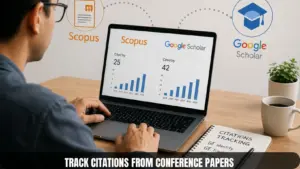
Conference proceedings indexed in Scopus are considered credible and valuable for academic careers. Many universities and institutions recognize Scopus-indexed publications for promotions, research funding, and academic evaluations. It also provides citation tracking, helping researchers measure the impact of their work.
Web of Science – Includes Conference Proceedings Citation Index (CPCI)
Web of Science is another highly respected database that indexes high-quality research publications. It includes the Conference Proceedings Citation Index (CPCI), which specifically tracks conference papers.
Being indexed here indicates strong research quality and global recognition. It is often used for impact analysis, citation reports, and academic performance evaluation, making it a preferred choice for serious researchers.
IEEE Xplore – Widely Used in Technical Fields
IEEE Xplore is a leading digital library for engineering, computer science, and technology research. It publishes conference proceedings organized by IEEE and its partners.
Conference papers indexed in IEEE Xplore are highly valued in technical and scientific communities. They are known for rigorous peer review and strong industry relevance, making them ideal for researchers in emerging technologies and applied sciences.
SpringerLink – Publishes Lecture Notes Series
SpringerLink is a major platform that publishes academic books, journals, and conference proceedings. Its well-known Lecture Notes series (such as Lecture Notes in Computer Science) includes many conference papers.
Proceedings published through SpringerLink are often indexed in databases like Scopus and Web of Science, increasing their reach and credibility. It is a popular choice for international conferences and multidisciplinary research.
Google Scholar – Provides Broad Visibility
Google Scholar is a freely accessible search engine that indexes a wide range of academic content, including conference proceedings, journals, theses, and reports.
Although it is less selective compared to Scopus or Web of Science, it offers excellent visibility. Research published in conference proceedings can be easily discovered by scholars worldwide, increasing the chances of citations and academic exposure.
How to Publish in Conference Proceedings (Step-by-Step Process)
Publishing in conference proceedings follows a structured process that every researcher should understand. Each step plays an important role in ensuring your paper is accepted, presented, and officially published.
Step 1: Find the Right Conference
The first and most important step is selecting a suitable conference. Choose one that aligns closely with your research area and topic. It is also important to check whether the conference proceedings are indexed in reputed databases like Scopus or Web of Science.
A well-recognized conference not only increases the chances of acceptance but also improves the visibility and credibility of your research. Always review the conference’s past editions, organizing committee, and publisher before making a decision.
Step 2: Understand Call for Papers (CFP)
Once you select a conference, carefully read the Call for Papers (CFP). This document provides all essential details, including:
- Conference themes and topics
- Submission guidelines and formatting rules
- Important deadlines (submission, revision, final paper)
- Presentation type (oral or poster)
Understanding the CFP helps you align your paper with the conference requirements and avoid rejection due to scope or formatting issues.
Step 3: Submit Your Paper
After preparing your manuscript according to the given guidelines, you need to submit it through the conference’s official submission system. This is usually an online platform where you upload your paper, enter author details, and select relevant topics or tracks.
Make sure your paper is properly formatted, plagiarism-free, and complete in all sections before submission. Missing details or incorrect formatting can lead to immediate rejection.
Step 4: Peer Review Process
Once submitted, your paper goes through the peer review process. Experts in your field evaluate your work based on:
- Originality and novelty
- Research methodology
- Clarity and structure
- Relevance to the conference theme
Reviewers may suggest revisions or improvements. Addressing these comments carefully increases your chances of acceptance and improves the overall quality of your research.
Step 5: Acceptance & Registration
If your paper meets the required standards, you will receive an acceptance notification. After this, you must complete the registration process, which usually includes paying a registration fee.
Most conferences require at least one author to present the paper, either physically or online. Presentation is often mandatory for your paper to be included in the final proceedings.
Step 6: Final Publication
After presentation and any final revisions, your paper is published in the official conference proceedings. Depending on the conference, it may be released as a digital volume, book series, or online database.
If the proceedings are indexed, your research becomes accessible to a global audience, increasing its visibility, citations, and academic impact.
How Long Does It Take to Publish Conference Proceedings?
Conference proceedings are published faster than journals, making them ideal for quick research visibility. The process is streamlined to share findings without long delays.
- Submission to review: 2–6 weeks
- Acceptance to publication: 1–3 months
Benefits of Publishing in Conference Proceedings
Conference proceedings offer several practical advantages for researchers, especially those looking for quick visibility and academic growth.
- Fast Publication
Conference proceedings provide a quicker route to publication compared to journals. This allows researchers to share recent findings without long waiting periods, making it ideal for fast-evolving fields.
- Networking Opportunities
Presenting at conferences helps you connect with researchers, experts, and professionals from around the world. These interactions can lead to collaborations, research partnerships, and new academic opportunities.
- Career Growth
Publishing in conference proceedings strengthens your academic profile. It adds value to your CV, supports higher education applications, and improves chances for research funding and career advancement.
- Increased Visibility
When proceedings are indexed in major databases, your research becomes accessible to a global audience. This improves discoverability, increases citation potential, and enhances your academic reputation.
By selecting the right conference, writing a strong paper, and ensuring proper indexing—you can turn conference proceedings into a stepping stone for long-term research success.
FAQs
1. Are Conference Proceedings Considered Publications?
Yes, they are recognized academic publications, especially when indexed.
2. Do They Count for Academic Promotion?
In many institutions, indexed proceedings are valid for evaluation.
3. Can Conference Papers Be Published in Journals Later?
Yes, with significant revisions and proper disclosure.
4. How to Cite Conference Proceedings?
Use the specified citation style (IEEE, APA, etc.) including conference name, year, and publisher.