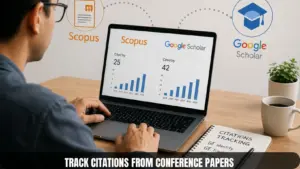
Publishing in Scopus-indexed journals is a goal shared by researchers, academics, and professionals who want their work to gain credibility and global recognition. Scopus, one of the world’s largest and most trusted abstract and citation databases, is known for indexing only high-quality, peer-reviewed journals. Getting your research published here not only boosts your academic profile but also opens doors to career growth, collaborations, and greater visibility. Through the step-by-step process of publishing in Scopus journals, from understanding what Scopus-indexed journals is, to preparing your manuscript, selecting the right journal, and navigating challenges—so you can achieve publication success with confidence.
What Is Scopus and Why Does It Matter?
Scopus is an abstract and citation database launched by Elsevier. It indexes peer-reviewed journals, books, and conference proceedings across diverse fields including science, technology, medicine, social sciences, arts, and humanities.
- It maintains strict quality control and indexing criteria.
- Journals listed in Scopus are trusted for academic credibility.
- Scopus provides metrics such as, and SNIP that help evaluate the significance of journals and researchers.
Being indexed in Scopus means that a journal has met global quality standards, making it a reliable platform for scholarly contributions.
Why Is Publishing in Scopus-Indexed Journals Important?
Publishing in Scopus-indexed journals holds great significance for several reasons:
- Academic Recognition – Research journals in Scopus gets wider visibility and credibility.
- Career Advancement – Many universities, funding bodies, and institutions require Scopus publications for promotions and grants.
- Global Exposure – Scopus journals reach an international audience, increasing citations and collaborations.
- Quality Assurance – Scopus indexing ensures that journals follow rigorous peer-review and publishing standards.
- Institutional Ranking – Universities rely on Scopus publications to enhance their global.
For researchers, publishing in Scopus is not just about visibility—it’s about building a trusted academic profile.
What Are Scopus-Indexed Journals?
Scopus-indexed journals are scholarly publications that meet the quality standards set by Scopus. Journals undergo continuous review and must maintain academic integrity. Some characteristics of Scopus-indexed journals include:
- Peer-reviewed process for manuscript acceptance.
- Global reach with international contributions.
- Regular publication frequency ensuring updated research.
- Transparency in editorial policies.
Scopus-indexed journals span multiple domains, including engineering, medicine, business, humanities, and social sciences.
How Does Scopus Indexing Work?
Scopus has a Content Selection & Advisory Board (CSAB), which evaluates journals before they are indexed.
- Journal Submission – Publishers apply for Scopus indexing.
- Initial Screening – Scopus checks for basic publishing standards.
- Peer Review & Evaluation – CSAB reviews factors like editorial quality, citation impact, and peer-review integrity.
- Acceptance or Rejection – If approved, the journal is included in Scopus.
Scopus performs periodic re-evaluations to maintain quality. Journals that fail to meet standards may be discontinued.
Benefits of Publishing in Scopus Journals!
Publishing in Scopus brings many advantages:
- Credibility – Your research gains recognition from a trusted source.
- Increased Citations – More readers discover your work.
- Networking Opportunities – Builds global academic connections.
- Compliance with Institutional Requirements – Helps meet academic promotion or funding criteria.
- Long-Term Academic Record – Publications remain visible in Scopus’ comprehensive database.
How to Prepare Your Research for Scopus Journal Submission?
Before submitting your paper to a Scopus-indexed journal, you need to ensure it meets high academic standards.
- Conduct Original Research – Ensure your work adds new knowledge to the field.
- Use Proper Research Methodology – Clearly outline your methods and results.
- Follow Ethical Guidelines – Avoid plagiarism, fabrication, or unethical practices.
- Organize Your Data – Use clear charts, tables, and figures.
- Review Related Literature – Cite recent studies, especially from Scopus-indexed journals.
A well-prepared manuscript increases your chances of acceptance.
Manuscript Writing Tips for Scopus Journals!
Writing for Scopus-indexed journals requires precision and professionalism. Here are some tips:
- Title and Abstract – Keep them clear, concise, and keyword-rich.
- Introduction – State the problem, research gap, and objectives.
- Methodology – Describe your research design with transparency.
- Results and Discussion – Present findings with logical arguments and comparisons.
- Conclusion – Summarize contributions, limitations, and future research scope.
- References – Follow the journal’s citation style (APA, MLA, IEEE, etc.).
Pro Tip: Use plagiarism detection before submission.
How to Find the Right Scopus Journal for Your Research?
Choosing the right journal is crucial.
- Use Scopus Sources List – Search the official Scopus database to check indexed journals.
- Match Your Research Scope – Select journals that publish within your field.
- Check Journal Metrics – Look at CiteScore, SJR, and h-index.
- Review Author Guidelines – Understand submission and formatting requirements.
- Avoid Predatory Journals – Ensure the journal is legitimate and not blacklisted.
A targeted approach improves your chance of acceptance.
Checking Journal Metrics and Impact Factor!
Evaluating a journal’s quality is essential. Some common metrics include:
- Impact Factor (IF) – Measures citation frequency of articles.
- CiteScore – Calculates average citations per paper.
- SJR (SCImago Journal Rank) – Indicates scientific prestige of the journal.
- h-index – Reflects both productivity and citation impact of researchers or journals.
Differentiating Between Open Access and Subscription Journals
Scopus journals can be:
- Open Access (OA) – Articles are freely available to the public. Authors may pay Article Processing Charges (APCs).
- Subscription-Based – Access is restricted to subscribers or institutions, but authors may not pay publishing charges.
Which to choose?
- If you want maximum visibility, go for Open Access.
- If cost is a concern, a subscription-based journal may be preferable.
What Are the Common Challenges in Scopus Journal Publishing?
Researchers often face hurdles during the publication process. Common challenges include:
- High Rejection Rate – Due to poor manuscript quality or mismatch with journal scope.
- Plagiarism Issues – Even minor overlaps can cause rejection.
- Long Review Times – Peer-review may take months.
- Publication Fees – Some journals charge high APCs.
- Predatory Publishers – Fake journals claiming to be Scopus-indexed.
Overcoming these requires patience, ethical practices, and proper research planning.
Why Beginners Should Use This Scopus Journal Publishing Guide!
For beginners, publishing in Scopus journals might seem like navigating a maze.
- Simplify the step-by-step process of journal selection and submission.
- Provide practical tips for manuscript writing and avoiding common mistakes.
- Highlight ethical considerations to ensure credibility.
- Encourage strategic planning for long-term academic growth.
By following this guide, beginners can avoid confusion and confidently pursue Scopus publication opportunities.
Step-by-Step Process to Publish in Scopus Indexed Journals!
To summarize, here is the structured process you can follow:
- Understand Scopus – Learn its importance and scope.
- Conduct Quality Research – Original, ethical, and methodologically sound.
- Prepare Your Manuscript – Follow proper structure and guidelines.
- Select the Right Journal – Based on scope, metrics, and credibility.
- Check Submission Guidelines – Format your paper accordingly.
- Submit the Manuscript – Through the journal’s online submission system.
- Peer Review Process – Address reviewers’ feedback carefully.
- Acceptance and Publication – Once approved, your article appears online and in Scopus.
- Promote Your Work – Share with peers, conferences, and social platforms.
Publishing in Scopus-indexed journals is more than an academic achievement—it is a recognition of your hard work, originality, and contribution to your field. While the journey involves challenges, a systematic approach, ethical practices, and careful selection of journals can make the process smoother.
PhD student, early-career researcher, or seasoned academic, following this step-by-step guide will not only increase your chances of success but also ensure that your research makes a lasting impact on the global academic community.
For more information on upcoming international events, academic conferences, and networking opportunities across diverse fields, visit international Conference and stay updated with the latest global conference alerts.
FAQ
1. What is a Scopus-indexed journal?
A Scopus-indexed journal is a peer-reviewed publication that has been evaluated and approved by Scopus for meeting strict quality and academic standards. Journals are trusted globally and often used by universities for research evaluations.
2. Why should I publish in a Scopus journal?
Publishing in Scopus journals enhances your academic credibility, increases global visibility, boosts citations, and is often required for promotions, grants, and institutional recognition.
3. How can I find the right Scopus-indexed journal for my research?
You can use the official Scopus Sources list, journal Rank (SJR), or the journal’s website. Always check the journal’s scope, author guidelines, and metrics before submitting.
4. What are the common reasons for rejection in Scopus journals?
Most frequent reasons include poor manuscript quality, plagiarism, lack of originality, mismatch with the journal’s scope, and improper formatting according to submission guidelines.
5. How long does it take to publish in a Scopus-indexed journal?
Process varies by journal. Peer review alone may take 3–6 months or longer. After acceptance, the paper is scheduled for publication, which could take additional weeks or months.